Source Eyelash Extension Tweezers for Eyebrow, Lash Salons, Studios
Browse eyelash extension tweezers for eyebrow and lash work, with 30 listings spanning slanted, pointed, and rounded stainless steel tips. Compare sizes, packaging options, customization availability, and listed price ranges to match your salon, studio, or private-label sourcing needs.
Key considerations
Products List
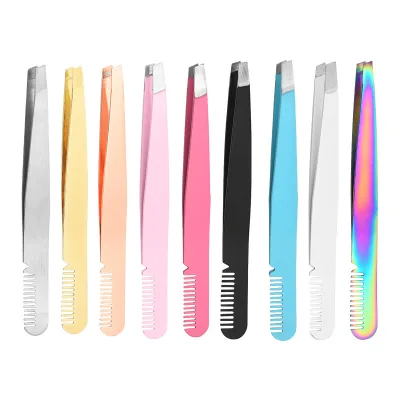


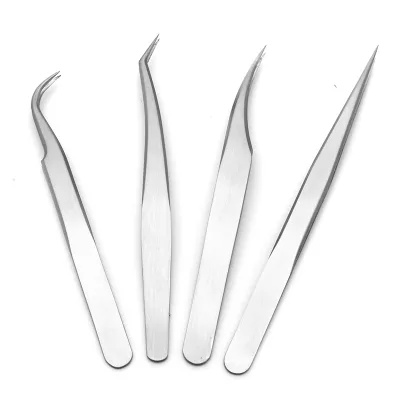
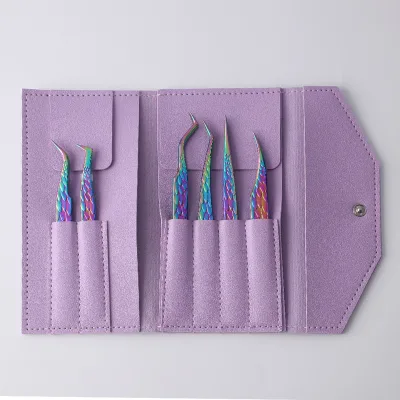


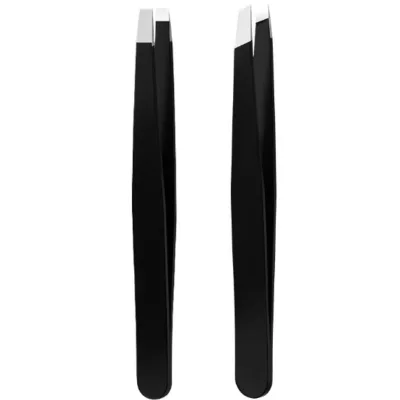


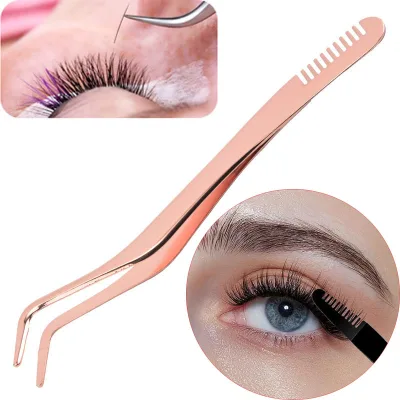

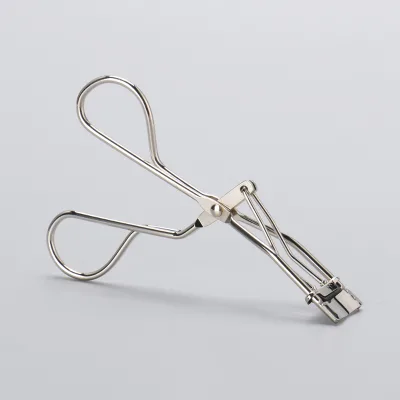
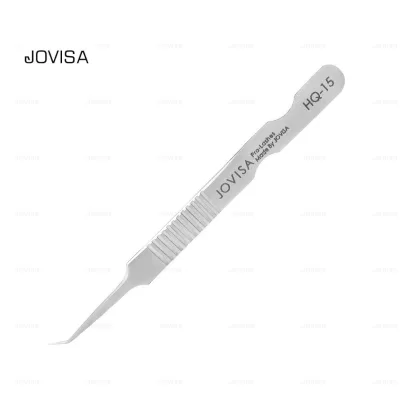


Comprehensive Sourcing Guide
Eyelash Extension Tweezers for Eyebrow Sourcing Guide
Sourcing precision tools for lash and brow services requires a clear understanding of the distinct mechanical and ergonomic demands placed on tweezers. While the core keyword suggests a dual-purpose tool, the market reality is that specialized tweezers are typically engineered for either eyelash extension grafting or eyebrow shaping, with specific tip geometries dictating their primary utility. Buyers must navigate a landscape where "eyelash extension tweezers" are often marketed broadly, yet the physical design—particularly the tip type and material finish—determines whether the tool is suitable for delicate lash isolation or precise brow hair removal. This guide provides evidence-based procurement advice to help buyers select the right instruments, verify supplier claims, and manage commercial risks effectively.
The procurement process for these tools is characterized by high customization potential and varied packaging options, reflecting the private-label nature of the beauty industry. Suppliers frequently offer OEM/ODM services, allowing brands to customize labels and packaging, which is critical for businesses aiming to build a distinct market identity. However, this customization introduces complexity in quality control, as the base tool must meet strict performance standards before branding is applied. Buyers need to balance the desire for unique branding with the necessity of verifying the underlying tool’s durability, tip accuracy, and material integrity to ensure professional-grade performance in salon environments.
Product Scope and Observed Listing Signals
The observed product listings reveal a diverse range of specifications, indicating that suppliers cater to different segments of the beauty market, from individual technicians to large-scale distributors. Key attributes such as "Customized," "Non-Disposable," and "Durable" suggest that the primary market focus is on reusable, professional-grade instruments rather than single-use consumer products. The presence of models like "laver lash" and "MZGJ-011" alongside specific dimensions such as "1*13.4 cm" and "96X10mm" highlights the importance of precise sizing in tool selection. Buyers should note that while some listings mention "Eyelash Extension Tools," others specify "Grafting Eyelashes," reinforcing the need to align the tool’s design with the specific service being offered.
Color and material variations further define the product scope, with listings showing options for "Colorful," "Clear," and "Silver" finishes, often made from "Stainless Steel." The material choice is critical, as stainless steel offers the necessary rigidity and corrosion resistance required for tools that undergo frequent sterilization. Observations of features like "Resistant to Rust & Corrosion" and "Non-Toxic" are essential for buyers concerned with hygiene and longevity. Additionally, the variety in tip types, including "Slanted," "Pointed," and "Rounded," indicates that the product scope is not monolithic; buyers must match the tip geometry to the specific task, whether it is picking up individual lashes or shaping eyebrow hairs, as each tip type serves a distinct mechanical function.
Technical Specifications to Verify
Verifying the technical specifications of tweezers is paramount to ensuring they meet professional standards. The tip type is the most critical specification, as it directly impacts the tool’s functionality. For eyelash extensions, slanted or pointed tips are often preferred for their precision in isolating and picking up individual lashes, while rounded tips may be more suitable for sensitive areas or eyebrow shaping to avoid skin irritation. Buyers should request detailed diagrams or images of the tip geometry to confirm that the alignment is perfect, as even minor misalignments can lead to inefficient grafting or discomfort for the client. The standard dimensions observed, such as "13cm" or "7.6x1cm," should be cross-referenced with ergonomic requirements to ensure the tool is comfortable for extended use.
Material composition and surface finish are equally important technical factors. Stainless steel is the industry standard due to its durability and resistance to rust, but buyers must verify the grade of steel and the quality of the finish. Listings mentioning "Uncoated" stainless steel suggest a focus on hygiene and ease of sterilization, which is vital for tools that come into direct contact with the eye area. Buyers should also check the weight of the tool, as observed weights like "0.03kg" indicate a lightweight design that reduces hand fatigue during long sessions. Additionally, the single package size and master case dimensions, such as "16X9X3 cm" or "96X10mm," are crucial for logistics planning and inventory management, ensuring that the tools can be stored and shipped efficiently.
Compliance and Safety Documentation
Compliance and safety are non-negotiable aspects of sourcing beauty tools, particularly those used near the eyes. Buyers must ensure that suppliers provide documentation confirming that the materials used are non-toxic and safe for cosmetic applications. The observation of "Non-Toxic" features in listings is a positive indicator, but it should be backed by formal safety data sheets or material compliance certificates. Since these tools are often reused and sterilized, the material must withstand high temperatures and chemical disinfectants without degrading or releasing harmful substances. Buyers should request evidence of compliance with relevant cosmetic safety standards, such as those governing metal migration and surface cleanliness, to protect their brand from liability.
Hygiene and sterilization protocols are another critical area of compliance. Tools that are "Non-Disposable" must be designed to withstand repeated sterilization cycles without losing their structural integrity or tip precision. Buyers should verify that the stainless steel used is of a grade suitable for medical or cosmetic instruments, ensuring it does not corrode or pit over time. Additionally, packaging plays a role in maintaining hygiene; listings mentioning "Glass Bottle" or "OPP Bag" packaging suggest different levels of protection against contamination. Buyers should assess whether the packaging is sterile-sealed and whether it maintains the tool’s cleanliness until it is opened in the salon, ensuring that the product arrives in a safe and hygienic condition.
Cost Drivers and Commercial Terms
The cost of eyelash extension tweezers is influenced by several factors, including material quality, customization level, and order volume. The observed MOQ range of "1-3000" indicates that suppliers are flexible, catering to both small businesses and large distributors. However, lower MOQs may come with higher per-unit costs, while larger orders can leverage economies of scale. Buyers should consider the total cost of ownership, which includes not just the unit price but also shipping, packaging, and potential customization fees. The mention of "Customized Packaging Accepted" and "OEM/ODM" services suggests that branding and packaging can add to the overall cost, so buyers should budget for these additional expenses when planning their procurement strategy.
Payment terms and shipping methods are also significant commercial considerations. Listings indicate payment options such as "Tt/Paypal/Western Union" and terms like "30% Down Payment, and Balance Before Shipping," which are common in international trade. Buyers should evaluate these terms based on their risk tolerance and cash flow needs. Shipping options "by Air and Ocean" offer flexibility, with air freight being faster but more expensive, and ocean freight being more cost-effective for larger volumes. Buyers should calculate the landed cost, including duties and taxes, to determine the true profitability of their sourcing decision. Understanding these commercial terms helps in negotiating better deals and managing financial risks effectively.
Supplier Qualification and Quality Control
Supplier qualification is a critical step in ensuring the reliability and quality of the sourced tweezers. Buyers should verify the supplier’s location, with many listings indicating origins in "China" or specifically "Guangdong, China," a hub for beauty tool manufacturing. This regional concentration can offer advantages in terms of supply chain efficiency and expertise, but it also requires due diligence to ensure the supplier meets international quality standards. Buyers should request samples to physically inspect the tool’s build quality, tip alignment, and finish before placing a large order. This hands-on verification is essential to confirm that the product matches the described specifications and performs as expected in real-world conditions.
Quality control processes should be clearly defined and agreed upon with the supplier. Buyers should inquire about the supplier’s internal QC procedures, including how they test for tip accuracy, material durability, and corrosion resistance. The observation of "Durable" features suggests that suppliers claim long-lasting performance, but this should be validated through independent testing or third-party inspections. Additionally, buyers should establish clear acceptance criteria for defects, such as misaligned tips or surface imperfections, and agree on remedies for non-conforming products. Implementing a robust quality control plan helps mitigate the risk of receiving substandard products and ensures that the final goods meet the brand’s quality expectations.
Long-Term Procurement Checks
Long-term procurement success depends on establishing a sustainable relationship with suppliers and continuously monitoring product performance. Buyers should track the performance of the tweezers over time, noting any issues with tip wear, corrosion, or ergonomic discomfort. Regular feedback from technicians and clients can provide valuable insights into the tool’s practical usability and durability. This feedback loop should be used to refine future orders, ensuring that the tools continue to meet the evolving needs of the business. Additionally, buyers should stay informed about industry trends and technological advancements in tool design, which may offer improvements in efficiency and comfort.
Supply chain resilience is another key aspect of long-term procurement. Buyers should diversify their supplier base to mitigate risks associated with single-source dependencies. Maintaining relationships with multiple suppliers can provide flexibility in case of supply disruptions or quality issues. Regular audits and performance reviews of suppliers help ensure that they continue to meet the required standards and deliver value. By focusing on long-term partnerships and continuous improvement, buyers can secure a reliable supply of high-quality eyelash extension tweezers that support their business growth and customer satisfaction.
FAQs
What tip types are available for eyelash extension tweezers for eyebrow?
Listed tip types include slanted, pointed, and rounded options, so you can match the tip to isolation, volume fan-making, or eyebrow grooming work. Tip style affects grip precision and client comfort. Confirm the exact tip geometry with the supplier before ordering, since individual product pages may list only one of these types.
What material are these eyelash extension tweezers made from?
The tweezers are made from stainless steel, which is durable and resistant to rust and corrosion. Stainless steel also supports sterilization between clients in salon settings. Because some listings describe finishes as uncoated and non-toxic, verify finish and grade details with the supplier if you have specific hygiene or durability requirements.
Can the eyelash extension tweezers be customized with my own brand label?
Yes, OEM and ODM customization is acceptable, and customized labels as well as customized packaging are supported. You can typically arrange private-label branding on the tweezers and the outer box. Discuss artwork requirements, logo placement, and any additional tooling costs with the supplier before placing your first customized order.
What sizes and lengths do the tweezers come in?
Listed specifications range from about 7.6 cm to 13.4 cm in length, including models around 12 cm and 12.5 cm. Longer tweezers give more reach for isolation work, while shorter ones offer finer control. Check each model's exact dimension, such as 96X10mm or 1x12.5cm, before selecting a style.
How are the tweezers packed for shipping?
Packing options include individual OPP bags, clamshell packaging, or a box, with items then packed into a master case for transport. One listing specifies one piece per OPP bag. Customized packaging is accepted, so you can request retail-ready boxes or branded pouches, though minimum quantities may apply to custom packing.
What is the minimum order quantity for eyelash extension tweezers?
Listed MOQs vary widely, from as low as 1 or 10 pieces for sampling up to 100 or 3000 pieces for bulk production runs. Small trial orders let you test tip quality first. Confirm the exact MOQ tier for your chosen model, finish, and customized packaging with the supplier directly.
What payment terms and shipping methods are supported?
Payments can be made by T/T, PayPal, and Western Union, with a common term of a 30 percent down payment and the balance before shipping. Shipping is available by air and by ocean, so you can balance speed against freight cost. Always confirm final terms in your order contract.
How should I care for stainless steel lash tweezers?
Because the stainless steel is resistant to rust and corrosion, routine cleaning and disinfection after each client will keep the tips aligned and hygienic. Avoid dropping them, as tip alignment affects grip on fine lashes. Store tweezers with tip protection in the supplied box or pouch to prevent damage between appointments.